How Can Eating More Lead to Weighing Less?
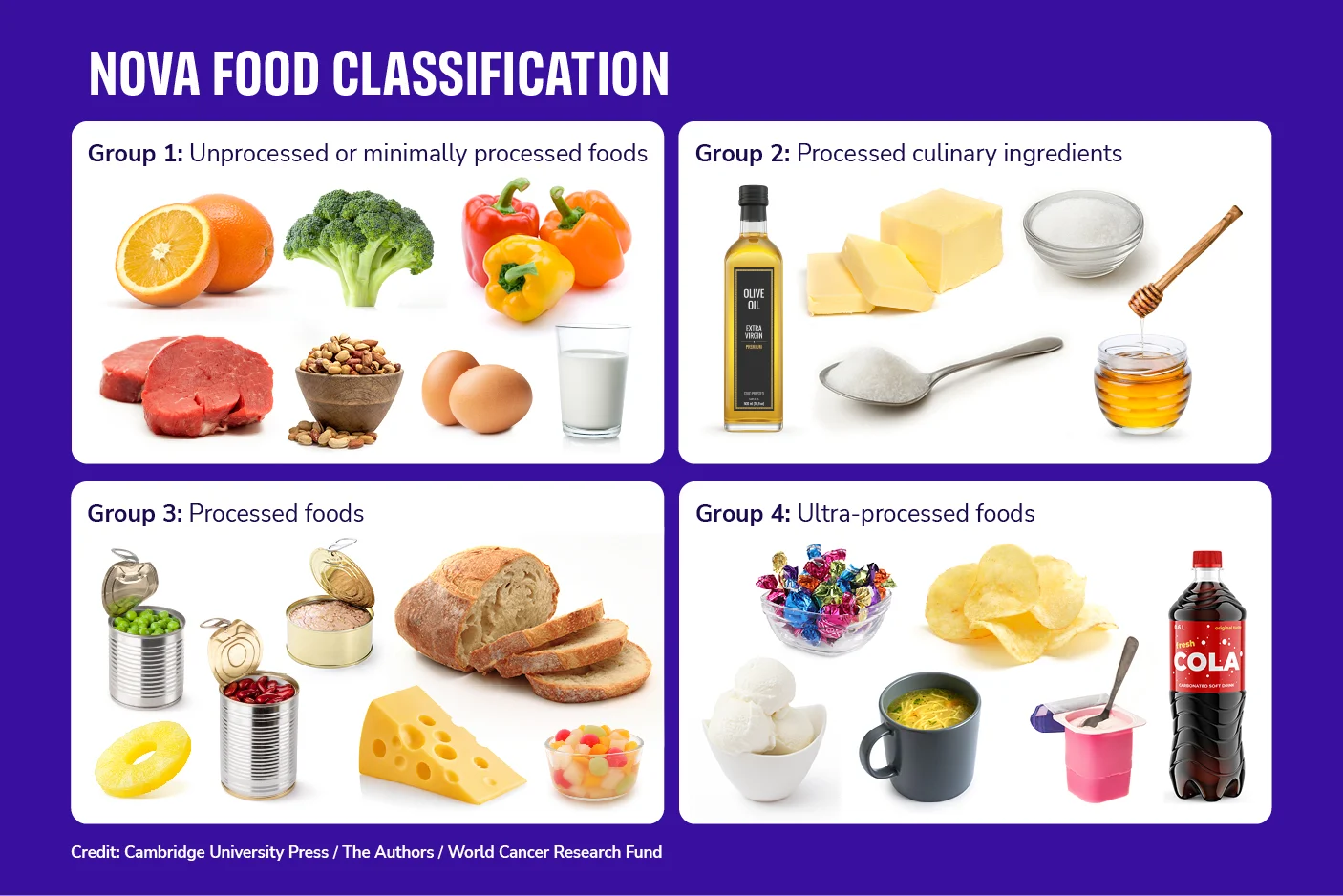
For decades, the standard weight-loss advice has been simplified into ‘eat less, move more’. However, a groundbreaking reanalysis of clinical trial data suggests that the focus on eating less might be fundamentally flawed. The study, led by Professor Jeff Brunstrom of the University of Bristol and published in The American Journal of Clinical Nutrition, reveals a startling discrepancy in how our bodies process different types of food. Researchers found that participants on a completely unprocessed diet consumed approximately 57% more food by weight – often adding hundreds of grams of vegetables to each meal – yet ended the day having consumed 330 to 508 fewer calories than those on an ultra-processed food diet.
The Theory of Nutritional Intelligence
The core of this research rests on the concept of nutritional intelligence. Professor Brunstrom argues that humans possess an innate biological drive to seek out essential vitamins and minerals. When presented with whole, unprocessed foods, our bodies instinctively guide us toward nutrient-dense options like fruits and vegetables. Because these foods are high in water and fibre but low in calories, we can eat significant volumes before reaching satiety.
In contrast, ultra-processed foods are often engineered to be hyper-palatable, bundling high concentrations of fats and carbohydrates together. This co-formulation is rare in nature and appears to bypass the brain's natural satiety signals.
The GLP-1 Connection – Unprocessed foods provide fibre in its natural form. This fibre enhances gut health and triggers the release of GLP-1 – the same hormone targeted by modern weight-loss medications – offering a natural pathway to appetite suppression |
The danger in overconsumptions occurs when essential nutrients are bundled with the high-calorie foods. On the whole-food diet, participants obtain the nutrients through high-fibre foods. Because the whole foods were not bundled with excess sugar and fat, participants naturally reached their nutrient requirements without over-consuming energy. The researchers warn that fortifying ultra processed foods may inadvertently encourage overconsumption by weakening the natural appetite cues that whole foods preserve.
Key Result – Over a two-week period, participants on the ultra-processed diet gained an average of 0.9kg, while those on the unprocessed diet lost 0.9 kg – a 1.8kg swing based purely on food quality rather than forced restriction. |
The study’s findings challenge the narrative that obesity is primarily a result of a lack of individual restraint. Instead, it suggests that the modern food environment nudges people toward high-calorie options. Experts argue that public health strategies should shift away from simple calorie restriction toward restoring natural nutritional trade-offs.
Rather than relying on individual willpower or expensive pharmaceuticals, the focus should return to making whole, minimally processed foods – the kind our nutritional intelligence was designed to process – accessible to all.